
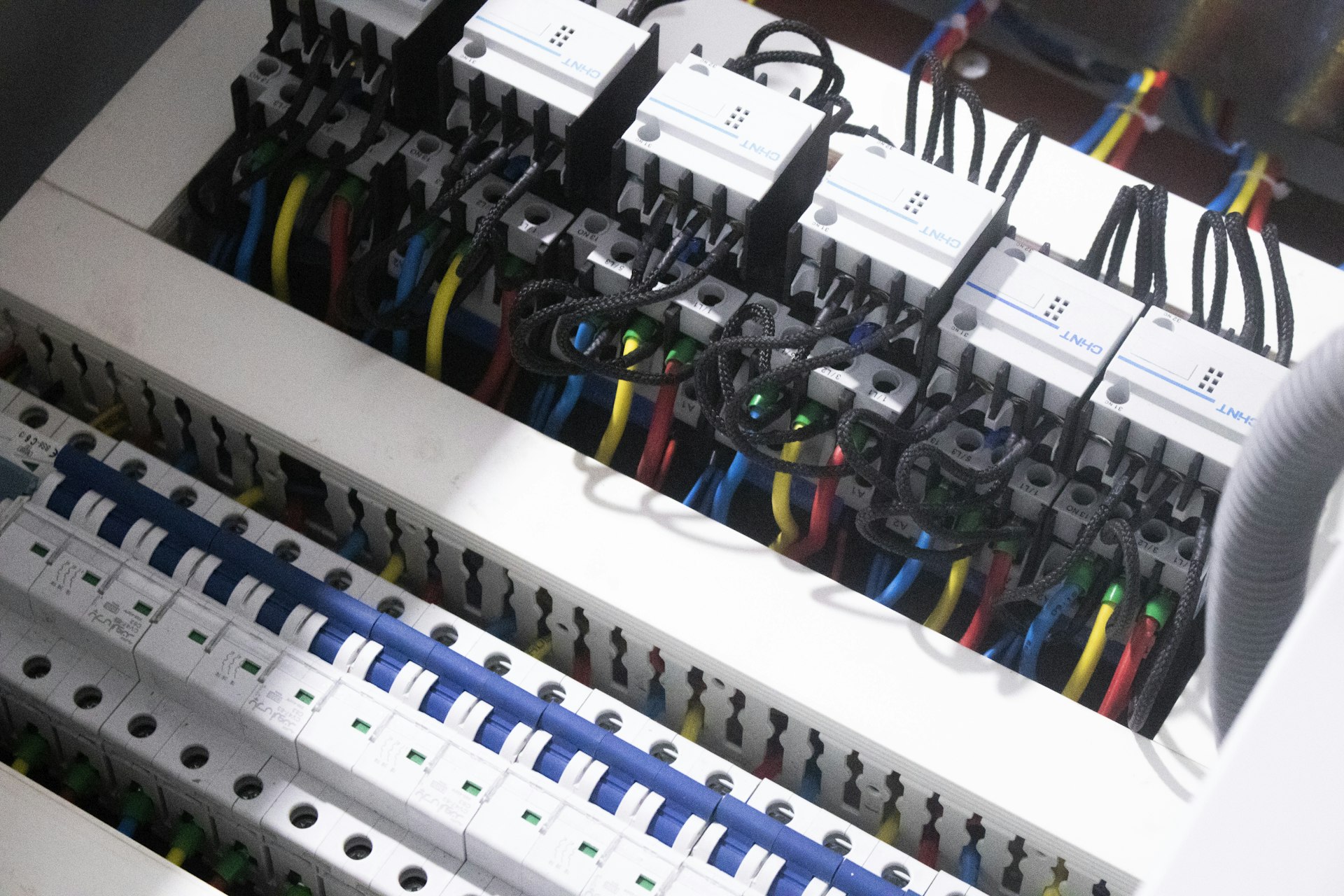
A panel and an electrical service are different parts of the system
The panel distributes electricity to property circuits. The service is the incoming supply and associated equipment. Replacing a panel does not automatically increase the available supply. A Licensed Electrical Contractor should assess existing condition and demand, planned loads and the utility requirements before recommending equipment. Spare breaker spaces alone do not establish capacity.
Prepare the scope for your King City property
Gather the proposed equipment list and describe how existing and new spaces will be used. Indicate whether the incoming service, panel location or supply to another structure is part of the request.
Ask which changes require utility coordination and how an outage will be scheduled. The written proposal should explain both the capacity recommendation and the physical work it entails.
What should the assessment establish?
For a King City addition, ask the contractor to connect the proposed service and panel work to the loads in the new space as well as the retained installation. If moving equipment is part of the construction plan, confirm which existing connections are affected and what access is needed. A proposed utility change can become a scheduling dependency for other work, so identify it early. The written scope should distinguish necessary changes for the addition from optional modernization elsewhere on the property, allowing you to judge each part on its own purpose.
Questions before you agree to work
Does every new load need a larger service?
No universal service size applies to every project. The contractor must assess the existing system and proposed demand, and explain whether a service change, another design or no capacity change is appropriate.
Who arranges utility and ESA steps?
Confirm this in the written scope. Service work may need utility coordination as well as ESA notification and review. Ask the contractor what they arrange and what the owner must supply or authorize.